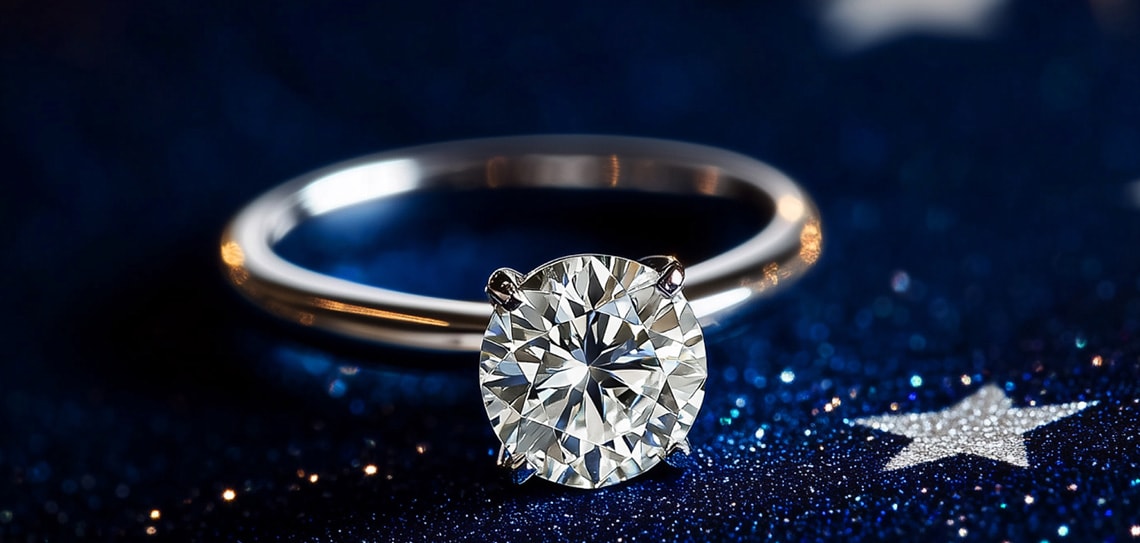
5 Warning Signs When Shopping for Affordable Diamond Rings
Diamond rings are often seen as symbols of beauty and luxury, but they can also come with a hefty price tag. When shopping for affordable diamonds, it’s easy to be tempted by offers that promise real diamonds at suspiciously low prices.
But remember, if a deal seems too good to be true, it probably is. Unfortunately, some sellers in the diamond industry use misleading claims, deceptive advertising, and even scams to push fake diamonds and low-quality stones. To protect yourself from falling into these traps, here are five key warning signs to watch for when shopping for a diamond.
#1: Low Cut Grade
A diamond’s cut grade plays a huge role in its beauty and value. Genuine diamonds with a high cut grade will reflect brilliant light, giving the diamond that signature sparkle. On the other hand, a poorly cut diamond will appear dull, with dark areas that don’t reflect light properly. If you come across a heavily discounted piece of jewelry, check the cut grade closely.
A diamond with a low cut grade might seem affordable, but you’ll end up with a stone that lacks brilliance and fire. In other words, buying a diamond with a poor cut isn’t a real deal - it’s just a low-quality stone.
Pro Tip: If you want a diamond that shines beautifully, focus on its cut grade. Even a diamond with lower clarity or color grades can look stunning if it’s cut well. The diamond 4Cs (cut, color, clarity, and carat weight) all matter, but the cut is often the most important when it comes to how much the diamond sparkles.
#2: Lab-Created Diamonds
Another factor to consider when looking for affordable diamonds is whether the diamond is lab-grown. Lab-created diamonds are made in a lab rather than forming naturally in the earth over billions of years. While lab-grown diamonds are chemically and visually similar to natural diamonds, they aren’t as valuable because they can be produced on demand.
Many shoppers might not realize the difference between natural diamonds and lab-created diamonds, but the price difference reflects the market value. If you see lab-created diamonds for sale at 20-40% less than natural diamonds, you’re simply paying the correct price for a synthetic product, not getting a special discount.
Pro Tip: Before you buy, make sure you know if the diamond is lab-created or natural. While both can look beautiful, it’s important to understand that lab-grown diamonds won’t hold the same long-term value as natural diamonds.
#3: Imitation Diamonds
Unlike lab-created diamonds, which are real diamonds made in a lab, imitation diamonds are not actual diamonds. They might look somewhat similar to the real thing, but fake diamonds like cubic zirconia or moissanite have different chemical structures and are much less valuable.
These materials don’t have the same hardness or durability as natural diamonds, meaning they wear down more quickly. Imitation diamonds also lack the brilliance and fire of a true diamond because they don’t reflect light in the same way. Honest jewelers will clearly label imitation diamonds, but some shady sellers may try to pass them off as genuine diamonds.
Pro Tip: Always ask for a diamond certificate when buying a loose stone or a diamond ring. A diamond certificate from a reputable lab will prove that you’re getting a real diamond, not a fake stone.
#4: Blood Diamonds
Another risk when looking for affordable diamonds is unknowingly buying a blood or “conflict” diamond. These diamonds are mined in areas of Africa that are torn apart by war, and the sale of these gems often funds violent conflicts. Buying a blood diamond means indirectly supporting these atrocities, which is why it’s crucial to ensure your diamond is ethically sourced.
The Kimberley Process was established to prevent the sale of blood diamonds, but not all sellers comply with it. When buying a diamond, always check if the retailer adheres to the Kimberley Process, ensuring that the diamond is conflict-free.
Pro Tip: Ask for documentation that proves the diamond complies with the Kimberley Process. It’s a way to ensure your diamond purchase isn’t contributing to conflict or violence.
#5: Lack of Certification
Perhaps the most important way to avoid being scammed when shopping for affordable diamonds is to ensure that the diamond comes with proper certification. A certified diamond has been examined and graded by experts at a reputable gemological lab. The most trustworthy labs include:
- Gemological Institute of America (GIA)
- American Gem Society (AGS)
- European Gemological Laboratory (EGL)
- International Gemological Institute (IGI)
- Hoge Raad voor Diamant (HRD)
These labs provide detailed reports on the diamond’s cut grade, clarity grade, and other important characteristics. Without this certification, you have no way of knowing if the diamond in question is real, how well it’s cut, or if it’s worth the price you’re paying. Certification also protects you from other scams, like buying a fake diamond or a lab-created diamondwhen you think you’re getting a natural diamond.
Pro Tip: Never buy a diamond without a grading report. This document gives you peace of mind that you’re purchasing a high-quality, real diamond, and it protects your investment.
Avoid Common Diamond Scams
So, to sum it up, when shopping for diamond jewelry, it’s essential to know what to look for to avoid being scammed.
Whether you’re buying from diamond jewelry stores online or in person, here’s a quick summed -up checklist to help ensure you’re getting a quality stone:
- Check the cut grade: A well-cut diamond sparkles beautifully, even if it has lower clarity or color grades. A low-cut diamond will look dull, even if the other grades are high.
- Ask about the origin: Make sure the diamond is ethically sourced and complies with the Kimberley Process to avoid supporting conflict diamonds.
- Demand certification: Only buy diamonds that come with a grading report from a reputable lab, like GIA or AGS.
- Verify the type of diamond: Ask if the diamond is lab-grown, natural, or an imitation diamond. Lab-created diamonds are valuable but less so than natural diamonds, while imitation diamonds aren’t worth nearly as much.
- Shop from a reputable jeweler: Only buy from a reputable jeweler with a track record of selling high-quality, certified diamonds.
There you have it! With these tips in mind, you’re well on your way to buying new diamonds and being sure that they’re real! Good luck!