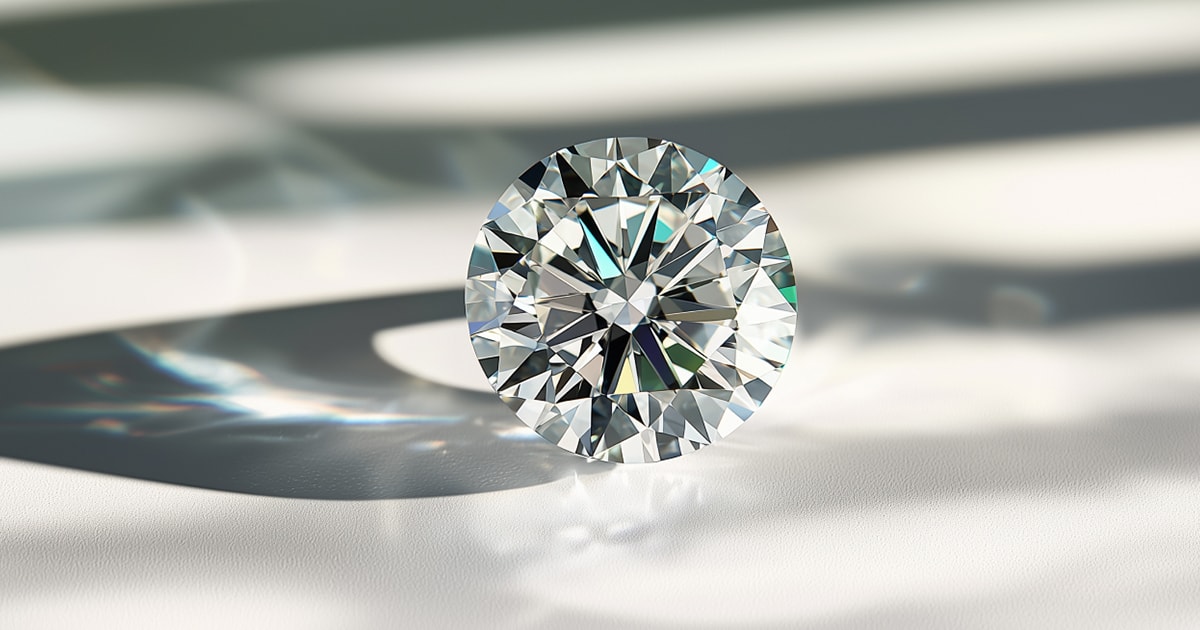
Types of Lab-Grown Diamonds: A Comprehensive Guide
When it comes to diamonds, many people are now choosing lab-grown diamonds for their ethical and environmental benefits. But did you know that there are different types of lab-grown diamonds? Whether you're shopping for an engagement ring or just curious, it’s helpful to understand how these diamonds are made and what makes each type unique.
Let’s walk through the different types of lab-grown diamonds, how they’re created, and what makes them just as stunning as natural diamonds!
What Are Lab-Grown Diamonds?
Lab-grown diamonds are exactly what they sound like - diamonds made inside a laboratory instead of forming deep underground over millions of years. The cool thing? These diamonds are made using the same processes that happen in nature! The result is a diamond that’s chemically and physically identical to a natural diamond, with the same sparkle, durability, and beauty.
Unlike mined diamonds, lab-created diamonds are grown in just a few weeks using advanced technology, and they are created under controlled conditions that replicate the natural diamond-making process.
So, whether it's for an engagement ring, a pendant, or a special occasion, you’re getting a real diamond - just made in a lab!
And if you’re still in need of a natural, Earth-made diamond, feel free to browse our natural diamond collection here. Our diamonds are ethically sourced, conflict-free, and as shiny as can be!
Types of Lab-Grown Diamonds
When we talk about lab-grown diamonds, we’re referring to diamonds created in a lab that are chemically and physically identical to diamonds mined from the Earth. The technology behind creating these diamonds is impressive, and there are actually two main methods for making them.
There are two main types of simulated diamonds: Chemical Vapor Deposition (CVD) and High-Pressure High-Temperature (HPHT) diamonds.
Let’s see how they’re made!
CVD Diamonds
CVD stands for Chemical Vapor Deposition, which might sound a little technical, but it’s actually a pretty straightforward process. Here’s how it works:
First, you start with a small piece of diamond called a diamond seed. This seed is placed inside a special chamber where the air is completely removed, creating a vacuum.
Why a vacuum, you ask? Well, it’s because the chamber needs to be as clean and controlled as possible so that the diamond can grow without any contamination.
Once the chamber is ready, a carbon-rich gas (like methane) is pumped in. This gas is the key ingredient because diamonds are made from carbon atoms. Then, the magic happens - this gas is heated to extremely high temperatures, often reaching thousands of degrees! Imagine how hot that is - it’s hotter than the surface of the sun!
As the gas heats up, it breaks down, and carbon atoms start floating around inside the chamber. These carbon atoms begin to bond with the diamond seed, forming a diamond. But it doesn’t happen all at once. Instead, the diamond grows slowly, layer by layer, as more and more carbon atoms attach themselves to the seed.
Over time, this small seed turns into a fully grown diamond that’s just as real and sparkling as one that comes from the Earth.
This method is great because it allows for a lot of control. By adjusting the temperature, gas levels, and time, jewelers can create diamonds with high clarity, meaning they’re free of the tiny imperfections that can sometimes form in natural diamonds.
That’s why CVD diamonds are popular in the jewelry industry - they’re real diamonds that are often clearer and more affordable than those mined from the ground.
HPHT Diamonds
Now, let’s talk about HPHT diamonds, which stands for High-Pressure High-Temperature. This method is a little different because it tries to copy exactly what happens in nature when diamonds are formed deep inside the Earth.
In nature, diamonds are made under extreme conditions - super high pressure and really high temperatures, like what happens during volcanic eruptions. So, the HPHT method recreates those natural conditions but in a lab!
Here’s how it works: just like with CVD, you start with a tiny diamond seed. This seed is placed inside a special chamber, but instead of filling it with gas, this chamber is designed to squeeze and heat the diamond seed - just like the Earth does when it forms diamonds naturally.
The chamber applies an incredible amount of pressure, sometimes up to 1.5 million pounds per square inch. To put that into perspective, that’s like weighing 10 jumbo jets pushing down on one small point!
But that’s not all - this chamber also heats the seed to temperatures over 2,000 degrees Celsius. That’s hotter than most volcanoes! Under this combination of extreme heat and pressure, the carbon atoms inside the chamber begin to bond to the diamond seed, just like in nature. As more carbon atoms attach to the seed, the diamond grows, eventually becoming a full-sized diamond!
One cool thing about HPHT diamonds is that they’re often larger and can come in different colors, depending on the chemicals added during the process. That’s why some people prefer HPHT diamonds for creating larger, unique stones, including colored diamonds like pinks and blues.
Both methods - CVD and HPHT - result in real diamonds that are stunning and durable. The only difference is how they’re made!
Environmental and Ethical Benefits of Lab-Grown Diamonds
One of the main reasons people are turning to lab-grown diamonds is because they offer a more ethical and environmentally friendly option compared to traditional diamond mining. The process of mining diamonds from the Earth can cause significant harm to the environment, including deforestation, water pollution, and a large carbon footprint from heavy machinery and energy usage.
Lower Carbon Footprint
Since lab-grown diamonds are created in a controlled laboratory environment, there’s no need to dig deep into the Earth or disturb natural ecosystems. This means that lab diamonds have a much smaller carbon footprint, which is better for the planet. They reduce the need for large-scale mining, leading to fewer greenhouse gas emissions.
Many people consider lab-grown diamonds an ethical alternative because they don’t involve the same environmental damage or human rights concerns associated with the diamond mining industry.
Here are some specific benefits:
Less Water Usage: Traditional diamond mining requires huge amounts of water to separate diamonds from the surrounding rock, leading to water waste and pollution. In contrast, lab-grown diamonds use significantly less water, helping to conserve this vital resource.
Lower Greenhouse Gas Emissions: Producing a lab-grown diamond uses less energy than extracting a diamond from the Earth, which means fewer greenhouse gases are released into the atmosphere. This makes lab diamonds a more sustainable option.
No Harm to Wildlife: Mining operations can severely disrupt local wildlife habitats. Since lab-created diamonds are grown in labs, there’s no impact on forests or endangered species.
The Human Cost: Blood Diamonds
Beyond the environmental issues, traditional diamond mining has a darker side - blood diamonds, also known as conflict diamonds. These diamonds are mined in war zones and are often sold to fund violent conflicts, leading to suffering and exploitation in some regions. Workers in these areas face terrible conditions, including forced labor, dangerous environments, and unfair wages.
By choosing a lab-grown diamond, you’re avoiding the ethical problems associated with blood diamonds. Lab-created diamonds are produced in safe, regulated environments, free from the exploitation and human suffering that can come with traditional diamond mining.
Of course, there are natural diamonds that are ethically sourced, called conflict-free diamonds, which is also a great choice if you want something natural - yet ethical.
A Responsible Choice
Choosing a lab-created diamond isn’t just about being environmentally conscious - it’s also about making a responsible choice that prioritizes both the planet and people. With lab-grown diamonds, you can enjoy the same beauty and durability as a natural diamond but without contributing to harmful practices in the diamond mining industry.
Plus, lab diamonds are often more affordable, providing you with a stunning, sustainable option at a better price.
At Brilliance, we’re proud to offer a wide selection of lab-grown diamonds that are not only beautiful but also ethically sourced and environmentally friendly. Explore our collection of lab-created diamonds here or reach out with any questions - we’re here to guide you toward a responsible and stunning choice.
The Versatility of Lab-Grown Diamonds
One of the best things about lab-grown diamonds is their incredible versatility. Just like natural diamonds, lab-created diamonds come in a wide range of shapes, sizes, and colors. Whether you're looking for a classic round cut, an elegant emerald shape, or something more unique like a heart-shaped diamond, lab-grown diamonds can be crafted to fit any style or preference.
In addition to traditional clear diamonds, lab-grown diamonds can also be created in a variety of stunning colors. From soft pinks and vibrant yellows to deep blues and more, colored diamonds are a beautiful way to express your individuality. And because they’re grown in a lab, the colors can be achieved with greater precision, making each diamond as vibrant and unique as the person wearing it.
Whether you’re after a timeless, colorless diamond or a bold, colorful gem, lab-grown diamonds provide endless options. They offer the same sparkle, brilliance, and durability as natural diamonds, giving you the freedom to choose exactly what you want without compromise.
At Brilliance, we’re proud to offer a stunning selection of both lab-grown diamond and natural diamond jewelry, each crafted with care and precision to meet the highest standards of quality. Explore our jewelry collection here.
Whether you’re searching for an engagement ring, a pendant, or a special gift, our team is here to help you find the perfect diamond!
Your Lab-Created Diamonds Await at Brilliance!
With lab-grown diamonds, you get all the brilliance and durability of a traditional diamond while supporting a more ethical and environmentally friendly option. So, in our eyes, it’s a win-win for you and the planet.
If you have any questions or need help finding the perfect diamond, the team at Brilliance is here to assist. Our team of experts is always here to help you out, so feel free to contact us - we’re happy to connect!