What is Rhodium Plating?
Rhodium is a naturally silver/white, corrosion-resistant, and relatively non-reactive metal that is chemically similar to platinum. It is also one of the rarest and most valuable of the precious metals, usually found in trace amounts as a free metal or alloy in platinum or nickel ore.
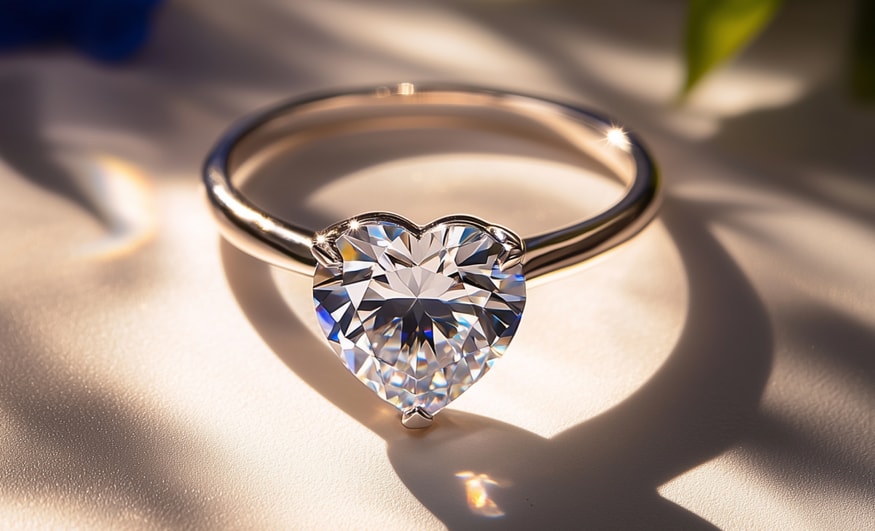
Rhodium is commonly used in jewelry in the process of electroplating other metals, including white gold as a means to enhance its appearance (more white) and silver as a method for tarnish resistance.
Rhodium-Plated White Gold
Explaining White Gold
White gold is alloy created using gold and other metals. Gold is naturally yellow, so all white gold has a yellow tint, with the yellow being more apparent the higher the gold purity of the alloy. To give white gold a bright white color, especially in fine jewelry with gold purities of 14K or higher, rhodium is used in the process of electroplating the gold. Because rhodium is naturally white and exceptionally valuable, this plating enhances the look of white gold jewelry without reducing its value.
Rhodium Plating Process
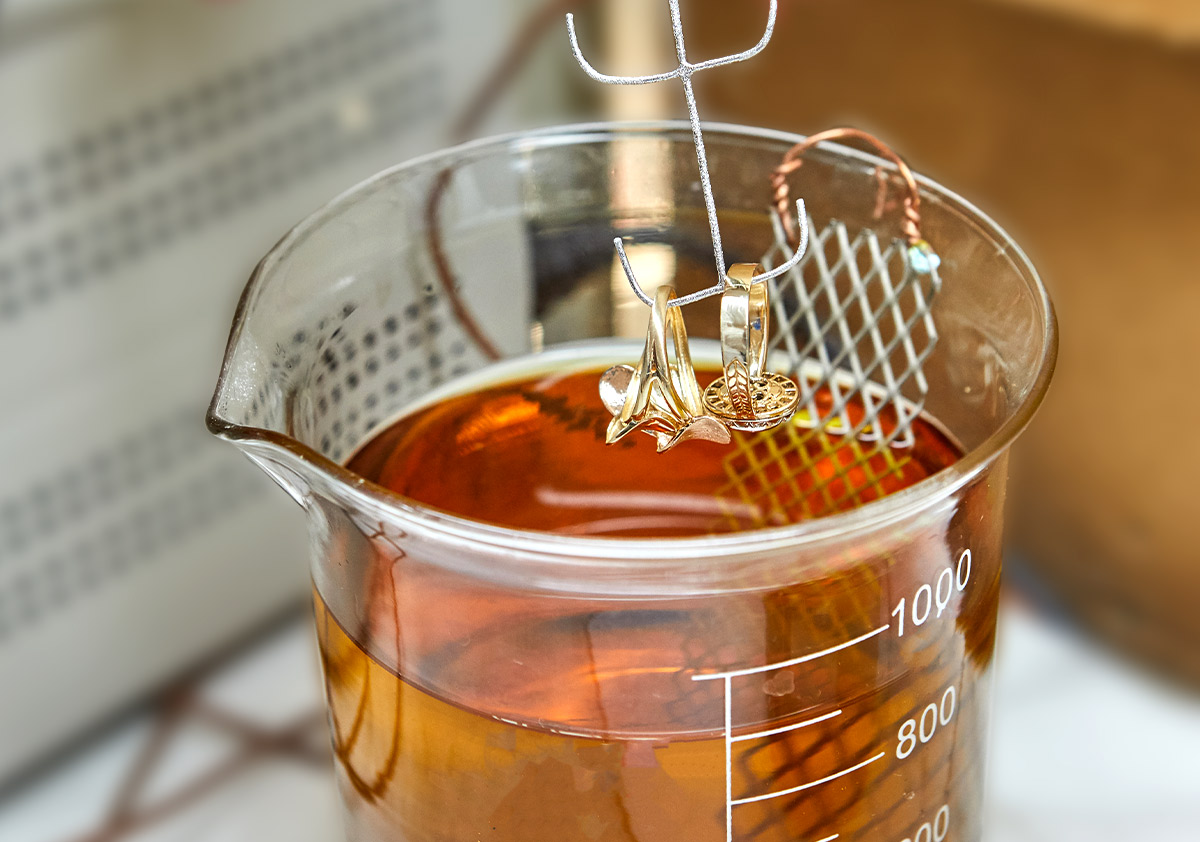
Toward the end of the production process, jewelry is most often plated by submerging the piece in an electrically charged solution of rhodium that creates a bond between the rhodium atoms and the gold atoms on the surface of the piece. Rhodium plating is a very thin layer of rhodium metal that is microns thick. Because the plating layer is so thin, normal wear, especially on high contact pieces like rings and bracelets, can remove the layer of rhodium causing the natural yellow tint of the gold to become visible. Since wear is typically uneven across the surface of the piece, the yellow tint can become even more apparent when contrasted with areas where the plating is still intact.
Caring for Rhodium Jewelry
Avoid Harsh Chemicals
Like all fine jewelry, white gold and rhodium-plated pieces should be treated in a way befitting the value of the investment and the sentimental meaning of the piece, but jewelry should also be worn and enjoyed.
In order to care for your rhodium-plated pieces, you can follow these easy steps. First, take care not to expose rhodium-plated jewelry to harsh chemicals like chlorine bleach or other cleaning supplies. This includes removing jewelry to swim in a pool.
Wear with Caution
Second, avoid wearing pieces during strenuous activities that could damage the plated surface, including but not limited to working out, gardening, hiking, rock climbing, and manual labor.
Plating will wear away at varying speeds depending on how you wear the piece. On average, pieces worn daily may need to be re-plated anywhere from every four months to every nine months. Well-kept pieces or pieces that are not high contact, like earrings or pendants, may have a rhodium lifespan of two years or more.
Keep Up Maintenance
Lastly, if you notice that the plating on your piece of white gold jewelry has started to wear off, it is a relatively easy thing to address through normal maintenance. Take advantage of maintenance plans from the store where you made your purchase. Re-plating is a quick and easy process for professional jewelers to do anywhere. However, it is always a good idea to go back to the original jeweler, if possible, as they know the piece best, and it prevents you from losing any manufacturer's warranty by having another jeweler work on it. Most maintenance plans include services like cleaning, polishing, checking stones, and re-plating with rhodium when needed.